Pigmentation problems affect nearly 80% of Indians at some point in their lives, making it one of the most common skin concerns. The most effective pigmentation treatments in Kolkata include Q-Switch laser, chemical peels, and advanced combination therapies that target melanin at different skin depths. At IMAGE Clinic, our expert dermatologists use US FDA-approved technology to deliver visible results within 4-8 sessions, depending on the type and severity of pigmentation.
If you have been struggling with dark patches, uneven skin tone, or stubborn melasma that refuses to fade with home remedies, you are not alone. Pigmentation can significantly impact self-confidence, but the good news is that modern dermatological treatments offer safe and effective solutions.
In this comprehensive guide, we will explore the different types of pigmentation, their causes, and the most effective treatments available in Kolkata to help you achieve clear, even-toned skin.
Book a pigmentation consultation with our expert dermatologists today.
What Causes Skin Pigmentation?
Skin pigmentation occurs when melanin, the pigment responsible for skin colour, is produced unevenly or excessively in certain areas. Understanding the root cause of your pigmentation is essential for choosing the right treatment.
Common Causes of Pigmentation:
Sun Exposure: Ultraviolet rays trigger melanin production as a protective response, leading to sunspots, freckles, and tan that may become permanent without treatment. Kolkata’s tropical climate makes sun-induced pigmentation extremely common.
Hormonal Changes: Fluctuations in oestrogen and progesterone during pregnancy, while taking oral contraceptives, or due to hormonal imbalances can cause melasma, often called the “mask of pregnancy.” This type of pigmentation appears as brown or grey-brown patches on the face.
Post-Inflammatory Hyperpigmentation (PIH): After acne, injuries, or skin inflammation, the healing process can leave behind dark marks. This is particularly common in Indian skin tones due to higher melanin content.
Ageing: As we age, accumulated sun damage manifests as age spots or liver spots, typically appearing on the face, hands, and other sun-exposed areas.
Genetics: Some individuals are genetically predisposed to developing pigmentation issues, including conditions like freckles and certain types of birthmarks.
Medical Conditions: Conditions like Addison’s disease, certain medications, and nutritional deficiencies can also cause abnormal pigmentation.
What Are the Different Types of Pigmentation?
Before seeking treatment, it is important to identify the type of pigmentation you have, as different types respond to different treatments.
Melasma
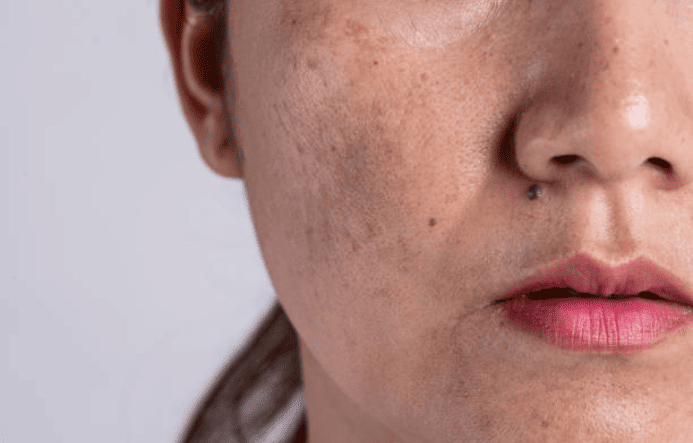
Melasma presents as symmetrical brown or grey-brown patches, typically on the cheeks, forehead, nose bridge, and upper lip. It is more common in women and is often triggered by hormonal changes and sun exposure. Melasma is considered one of the most challenging pigmentation types to treat because it tends to recur.
Sunspots (Solar Lentigines)
Also known as age spots or liver spots, these are flat, brown spots that appear on sun-exposed areas. They are caused by years of cumulative sun damage and are more common in individuals over 40.
Post-Inflammatory Hyperpigmentation (PIH)
PIH occurs after skin inflammation from acne, eczema, allergic reactions, or injuries. The affected areas become darker than the surrounding skin and can take months to fade naturally.
Freckles
Small, flat, circular spots that are usually genetic and become more prominent with sun exposure. While harmless, many people seek treatment for cosmetic reasons.
Periorbital Pigmentation
Dark circles around the eyes are caused by genetics, ageing, lack of sleep, or increased melanin production. This requires specialised facial treatments and approaches.
What is the Best Treatment for Pigmentation in Kolkata?
The best treatment for pigmentation depends on the type, depth, and severity of discolouration. At IMAGE Clinic, our dermatologists create customised treatment plans combining multiple modalities for optimal results.
1. Q-Switch Laser Treatment
Q-Switch laser is considered the gold standard for pigmentation treatment in Kolkata. This advanced laser technology delivers ultra-short pulses of energy that selectively target and break down melanin pigments without damaging surrounding skin.
How it works: The laser energy is absorbed by melanin, causing the pigment particles to shatter into smaller fragments. These fragments are then naturally eliminated by the body’s immune system over the following weeks.
Best for: Sunspots, freckles, age spots, and certain types of melasma.
Sessions required: 4-8 sessions, spaced 2-4 weeks apart.
Downtime: Minimal. Slight redness for a few hours.
2. Chemical Peels
Chemical peels use controlled application of acid solutions to exfoliate the top layers of skin, revealing fresher, more evenly-toned skin beneath.
Types of peels for pigmentation:
- Glycolic acid peels (superficial)
- Salicylic acid peels (for acne-related PIH)
- TCA peels (medium depth)
- Jessner’s peel (combination)
Best for: Mild to moderate pigmentation, PIH, and overall skin brightening.
Sessions required: 4-6 sessions, spaced 2-4 weeks apart.
Downtime: 3-7 days of peeling, depending on peel depth.
3. Laser Toning
Laser toning uses low-energy laser passes to gradually reduce melanin without causing trauma to the skin. This gentle approach is particularly effective for melasma, which can worsen with aggressive treatments.
How it works: Multiple passes of low-fluence laser energy gently heat and break down melanin over several sessions, reducing the risk of rebound pigmentation.
Best for: Melasma, sensitive skin, maintenance after intensive treatments. It can also be combined with skin tightening treatments for comprehensive rejuvenation.
Sessions required: 8-12 sessions for optimal results.
Downtime: None. Can be done during lunch break.
4. Microneedling with Depigmenting Serums
Microneedling creates controlled micro-injuries that enhance the penetration of depigmenting agents while stimulating collagen production.
How it works: Tiny needles create channels in the skin, allowing serums containing ingredients like tranexamic acid, vitamin C, and kojic acid to penetrate deeper and work more effectively.
Best for: PIH, melasma, overall skin rejuvenation with pigmentation concerns.
Sessions required: 4-6 sessions, spaced 4 weeks apart.
Downtime: 24-48 hours of redness.
5. Combination Therapy
For stubborn pigmentation, especially melasma, combination therapy yields the best results. This may include:
- Q-Switch laser + chemical peels
- Laser toning + microneedling
- In-clinic treatments + prescribed home care regimen
At IMAGE Clinic, our dermatologists often recommend a multimodal approach tailored to your specific pigmentation type and skin characteristics. Some patients also benefit from IV glutathione therapy as part of their comprehensive skin brightening regimen.
Ready to start your pigmentation treatment journey? Book your consultation at IMAGE Clinic today.
How Long Does Pigmentation Treatment Take to Show Results?
Results from pigmentation treatment vary based on the type of pigmentation, treatment chosen, and individual skin response. Here is a general timeline:
| Treatment | First Results Visible | Optimal Results |
| Q-Switch Laser | 2-3 weeks after first session | 3-6 months (after full course) |
| Chemical Peels | 1-2 weeks after first peel | 2-4 months |
| Laser Toning | 4-6 weeks | 4-6 months |
| Microneedling | 4 weeks | 3-4 months |
| Combination Therapy | 2-4 weeks | 4-8 months |
Important: Pigmentation treatment requires patience and consistency. Skipping sessions or not following post-treatment care can compromise results.
Can Pigmentation Come Back After Treatment?
Yes, pigmentation can recur, especially melasma, which is known for its stubborn nature. However, recurrence can be significantly minimised by:
Sun Protection: Using broad-spectrum SPF 30+ sunscreen daily, even on cloudy days, is non-negotiable. Reapply every 2-3 hours when outdoors.
Maintenance Treatments: Periodic maintenance sessions (every 2-3 months) help keep pigmentation under control.
Consistent Home Care: Using prescribed depigmenting creams, serums with vitamin C, niacinamide, or arbutin as recommended by your dermatologist. Regular HydraFacial treatments can also help maintain results.
Avoiding Triggers: Identifying and avoiding your specific triggers, whether hormonal, sun-related, or inflammatory.
At IMAGE Clinic, we provide comprehensive post-treatment guidance and maintenance protocols to help you maintain your results long-term.
Is Pigmentation Treatment Safe for Indian Skin?
Indian skin (Fitzpatrick types III-V) has unique characteristics that require specialised treatment approaches. The higher melanin content that gives Indian skin its beautiful tones also makes it more prone to post-inflammatory hyperpigmentation if treatments are not performed correctly.
Safety considerations for Indian skin:
- Lower energy settings: Lasers must be used at appropriate parameters to avoid burns or worsening pigmentation.
- Test patches: Responsible clinics always perform test patches before full treatment.
- Gradual approach: Building up treatment intensity gradually is safer than aggressive single sessions.
- Experienced practitioners: Treatment should only be performed by qualified dermatologists experienced in treating Indian skin.
At IMAGE Clinic, our expert dermatologists have treated over 67,992 patients with diverse skin types using US FDA-approved equipment like Fotona and Q-Switch lasers, ensuring safe and effective outcomes for Indian skin.
Why Choose IMAGE Clinic for Pigmentation Treatment in Kolkata?
IMAGE Clinic stands as Kolkata’s premier destination for advanced pigmentation treatments. Here is what sets us apart:
Expert Dermatologists: Our team of qualified dermatologists specialises in treating pigmentation across all Indian skin types, with extensive experience in managing even the most stubborn melasma cases.
US FDA-Approved Technology: We use internationally certified equipment including Fotona lasers, advanced Q-Switch systems, and medical-grade chemical peels that meet global safety standards.
Customised Treatment Plans: No two pigmentation cases are identical. Our dermatologists create personalised treatment protocols based on your specific pigmentation type, skin characteristics, and lifestyle.
67,992+ Patients Treated: Our track record speaks for itself. Thousands of patients have achieved clearer, more even-toned skin at IMAGE Clinic. Read our patient testimonials to learn about their experiences.
3 Convenient Locations: With branches in Deshapriya Park, Shakespeare Sarani, and Salt Lake, expert pigmentation treatment is accessible from anywhere in Kolkata.
Comprehensive Care: From diagnosis to treatment to maintenance, we guide you through every step of your skin transformation journey. We also offer injectable treatments and anti-ageing solutions for complete facial rejuvenation.
Explore our complete range of skin treatments or view real patient results in our gallery.
What to Expect During Your First Pigmentation Consultation?
Your first consultation at IMAGE Clinic is a comprehensive assessment designed to understand your skin and create the most effective treatment plan.
During your consultation:
- Detailed Skin Analysis: Our dermatologist will examine your pigmentation under proper lighting and may use a Wood’s lamp to determine the depth of pigmentation.
- Medical History Review: Understanding your health history, medications, hormonal status, and previous treatments helps in planning safe and effective therapy.
- Skin Type Assessment: Your Fitzpatrick skin type and skin sensitivity will be evaluated to customise treatment parameters.
- Treatment Recommendation: Based on all findings, your dermatologist will recommend the most suitable treatment or combination of treatments.
- Realistic Expectation Setting: You will receive honest information about expected results, number of sessions, and timeline.
- Home Care Guidance: Initial recommendations for sun protection and skincare to prepare your skin for treatment.
Frequently Asked Questions
How much does pigmentation treatment cost in Kolkata?
Pigmentation treatment costs vary based on the type of treatment, number of sessions required, and extent of pigmentation. At IMAGE Clinic, we provide detailed cost breakdowns during your consultation after assessing your specific needs. We also offer flexible payment options, including EMI through Bajaj Finance, SaveIn, and credit card instalments.
Is pigmentation treatment painful?
Most pigmentation treatments involve minimal discomfort. Q-Switch laser feels like a tiny rubber band snap, while chemical peels may cause mild tingling. Topical numbing cream is applied before treatments to ensure comfort. Most patients describe the experience as very tolerable.
Can I wear makeup after pigmentation treatment?
For most laser treatments, it is advisable to avoid makeup for 24-48 hours to allow the skin to heal. After chemical peels, makeup should be avoided until peeling is complete. Your dermatologist will provide specific post-treatment instructions based on your procedure.
How many sessions are needed to remove pigmentation completely?
The number of sessions depends on the type and depth of pigmentation. Surface-level pigmentation like sunspots may clear in 3-4 sessions, while deeper melasma may require 8-12 sessions or ongoing maintenance. Your dermatologist will provide a realistic estimate during consultation.
Can pigmentation be treated at home?
While over-the-counter products containing vitamin C, niacinamide, or kojic acid can help mild pigmentation, they cannot match the efficacy of professional treatments for moderate to severe cases. Home care is most effective when used in conjunction with clinical treatments as part of a comprehensive approach.
Ready to Begin Your Pigmentation Treatment Journey?
Pigmentation does not have to be permanent. With the right treatment approach and expert care, clearer, more even-toned skin is achievable.
Visit IMAGE Clinic at any of our 3 convenient Kolkata locations:
Deshapriya Park Branch: Ground Floor, 34 Kavi Sabitri Pr Chattopadhaya Road, Lansdowne Ter, Deshapriya Park W, Kolkata 700026 Phone: +91 94337 06234 | 033-4004 0575
Shakespeare Sarani Branch: Ground Floor, Embassy Building, 4, Shakespeare Sarani, Elgin, Kolkata 700071 Phone: +91 99031 39028
Salt Lake Branch: EC-33, 2nd Cross Rd, above Aqua Java, EC Block, Sector 1, Bidhannagar, Kolkata 700064 Phone: +91 89816 53595
(Disclaimer: Results may vary from person to person. A consultation with our dermatologist is recommended to determine the most suitable treatment for your specific condition.)