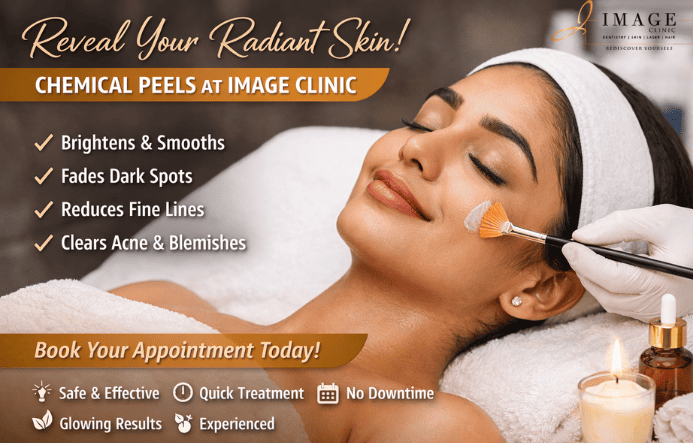
Chemical peels remain one of dermatology’s most versatile and effective treatments for skin renewal. By applying carefully formulated acid solutions to the skin, these treatments trigger controlled exfoliation that removes damaged outer layers and stimulates the regeneration of fresher, healthier skin beneath.
Unlike many trendy treatments that come and go, chemical peels have decades of clinical evidence supporting their effectiveness. When performed by experienced dermatologists using appropriate formulations, they can address everything from mild dullness to stubborn pigmentation, active acne to fine lines.
This guide covers everything you need to know about chemical peels in Kolkata, including the different types available, what each treats best, what to expect during treatment, and how to choose the right peel for your specific concerns.
| Considering a Chemical Peel? Let’s Find the Right One for You Book Your Chemical Peel Consultation | Call: 09830 836 666 |
How Chemical Peels Work: The Science of Controlled Exfoliation
Understanding how chemical peels work helps you appreciate why different peels suit different concerns and why professional application matters.
The Mechanism of Action
Chemical peels work by disrupting the bonds between skin cells in the outer layers of the skin. When an acidic solution is applied, it causes controlled damage to these cells, triggering two beneficial responses. First, the damaged outer layers slough off over the following days, removing accumulated dead cells, surface pigmentation, and superficial imperfections. Second, this controlled injury stimulates the skin’s healing response, prompting increased collagen production and the generation of new, healthier skin cells.
The depth of penetration determines the extent of renewal. Superficial peels affect only the outermost layer (stratum corneum and upper epidermis), while deeper peels can reach the papillary dermis, triggering more substantial remodelling but requiring longer recovery.
Key Acid Categories
Chemical peels use various acid types, each with specific properties:
- Alpha hydroxy acids (AHAs): Water-soluble acids derived from natural sources. Glycolic acid from sugar cane and lactic acid from milk are the most common. These penetrate evenly and are excellent for general skin renewal, hydration, and mild pigmentation
- Beta hydroxy acids (BHAs): Oil-soluble acids that can penetrate into pores. Salicylic acid is the primary BHA, making it particularly effective for acne-prone and oily skin
- Trichloroacetic acid (TCA): A medium-depth agent that penetrates more deeply for more significant concerns like moderate pigmentation, deeper wrinkles, and stubborn scarring
- Jessner’s solution: A combination of salicylic acid, lactic acid, and resorcinol that provides even, reliable penetration
- Phenol: The strongest peeling agent, reserved for severe photodamage and deep wrinkles. Rarely used due to significant downtime and risks
Types of Chemical Peels: Matching Treatment to Concern
Chemical peels are categorised by depth of penetration, which correlates with the intensity of results and recovery time.
Superficial (Light) Peels
Superficial peels affect only the outermost skin layers. They are the gentlest option with minimal downtime and are often called lunchtime peels because patients can return to normal activities immediately.
Common superficial peel agents include glycolic acid at concentrations of twenty to thirty-five per cent, lactic acid at similar strengths, and low-concentration salicylic acid. These peels produce mild tingling or warmth during application and may cause slight redness and flaking over the following few days.
Superficial peels work well for mild acne and comedones, general dullness and uneven texture, light sun damage, fine surface wrinkles, and skin maintenance between deeper treatments. Multiple sessions, typically four to six spaced two to four weeks apart, produce cumulative improvement.
Medium-Depth Peels
Medium peels penetrate into the upper dermis, producing more significant improvement but requiring more recovery time. TCA at concentrations of twenty-five to thirty-five per cent or higher-concentration glycolic acid combined with TCA are common medium-depth agents.
These peels cause noticeable frosting during application as the acid denatures proteins in the skin. Recovery involves several days of redness, swelling, and peeling, with social downtime of approximately one week.
Medium peels effectively treat moderate acne scarring, stubborn hyperpigmentation including melasma, moderate sun damage and photoageing, and more pronounced fine lines and wrinkles. Results are more dramatic than superficial peels and may last longer, though some patients require a series for optimal improvement.
Deep Peels
Deep peels using phenol penetrate to the mid-dermis, producing the most dramatic results but requiring extensive recovery and carrying more risks. They are rarely performed today due to the availability of laser alternatives and the potential for complications, including scarring and permanent pigment changes.
When used, deep peels address severe photodamage, deep wrinkles, and precancerous skin changes. Recovery involves significant swelling, crusting, and redness lasting several weeks, with sun sensitivity persisting for months.
| Not Sure Which Peel Depth You Need? We Can Assess Your Skin Find the Right Peel for Your Skin | 09830 836 666 |
Specific Peel Formulations and Their Best Uses
Glycolic Acid Peels
Glycolic acid, derived from sugar cane, has the smallest molecular size among AHAs, allowing it to penetrate effectively and evenly. It is the most widely studied and commonly used peeling agent.
At lower concentrations (twenty to thirty-five per cent), glycolic peels improve skin texture, reduce fine lines, and enhance radiance with minimal downtime. Higher concentrations produce more significant peeling and deeper renewal.
Glycolic peels are particularly effective for sun-damaged skin with irregular texture, fine line,s especially around the eyes and mouth, dull and lacklustre complexions, mild hyperpigmentation and uneven tone, and as maintenance between more intensive treatments.
Salicylic Acid Peels
Salicylic acid is a BHA that is oil-soluble, allowing it to penetrate into the sebaceous follicles where acne originates. It also has anti-inflammatory and comedolytic (pore-clearing) properties.
Salicylic peels excel at treating acne-prone skin, reducing comedones (blackheads and whiteheads), controlling oil production, minimising enlarged pores, and addressing post-inflammatory hyperpigmentation from acne.
Because salicylic acid is self-neutralising, the treatment is more predictable than some other peels. It is generally well-tolerated even by sensitive skin types.
Lactic Acid Peels
Lactic acid is gentler than glycolic acid while providing similar benefits. It also has humectant properties, meaning it draws moisture into the skin, making it suitable for dry or sensitive skin types.
Lactic peels work well for sensitive skin needing gentle exfoliation, dry skin that would react poorly to more aggressive peels, first-time peel patients building tolerance, and maintaining results between stronger treatments.
TCA Peels
Trichloroacetic acid produces medium-depth peeling when used at appropriate concentrations. The depth achieved depends on the concentration used and the number of layers applied.
TCA peels effectively address moderate acne scarring, stubborn pigmentation unresponsive to lighter peels, moderate photoageing, and melasma in appropriate candidates. Recovery involves visible peeling and social downtime, but results are more substantial than superficial peels.
TCA CROSS for Acne Scars
TCA CROSS (Chemical Reconstruction of Skin Scars) is a specialised technique using high-concentration TCA applied precisely to individual ice pick or boxcar acne scars. The concentrated acid causes focal reconstruction of collagen within the scar, gradually raising depressed areas.
This technique complements other acne scar treatments and is often used alongside subcision, microneedling, or laser resurfacing for comprehensive scar improvement.
Jessner’s Peel
Jessner’s solution combines salicylic acid, lactic acid, and resorcinol in an ethanol base. This combination provides reliable, even penetration and is often used to prepare skin for deeper peels or as a standalone medium-depth treatment.
Jessner’s peels treat acne and oily skin, hyperpigmentation and melasma, photodamage, and general skin renewal when consistent results are desired.
Chemical Peels for Specific Skin Concerns
Chemical Peels for Acne
Chemical peels can be valuable components of acne treatment regimens. Salicylic acid peels are particularly effective because they penetrate into pores, clear comedones, and reduce inflammation.
Regular superficial peels help maintain clear skin between breakouts, reduce comedone formation, improve post-acne marks, and complement topical and oral acne medications. For active inflammatory acne, peels should be scheduled carefully around flares.
Chemical Peels for Pigmentation
Hyperpigmentation responds well to chemical peels, though treatment must be approached carefully, especially in Indian skin, which is prone to post-inflammatory pigmentation. Pigmentation treatment often involves a combination approach.
For pigmentation, glycolic or lactic acid peels improve overall tone and reduce sun spots. TCA peels address more stubborn pigmentation. Combination peels with kojic acid or arbutin enhance brightening effects. Multiple sessions are typically needed, and strict sun protection is essential.
Melasma requires particularly careful treatment, as aggressive peels can worsen the condition. Superficial peels in combination with topical depigmenting agents and rigorous sun protection produce the best results.
Chemical Peels for Anti-Ageing
Chemical peels address multiple aspects of skin ageing. As part of a comprehensive anti-ageing treatment plan, they improve fine lines, enhance skin texture, and stimulate collagen renewal.
For anti-ageing, regular superficial peels maintain skin quality and radiance. Medium peels address more significant sun damage and wrinkles. Combination with other treatments like Botox and fillers provides comprehensive rejuvenation.
| Ready to Address Your Specific Skin Concerns? Book Your Chemical Peel Consultation | Call: 09830 836 666 |
What to Expect: The Chemical Peel Procedure
Before Treatment
Preparation optimises peel results and minimises complications:
- Your dermatologist will assess your skin type, concerns, and suitability for chemical peels
- You may be prescribed preparatory products containing retinoids or AHAs to enhance peel penetration and improve results
- Avoid sun exposure, waxing, and certain medications that increase sensitivity in the weeks before treatment
- Discontinue retinoids and exfoliating products as directed, typically five to seven days before the peel
- If you have a history of cold sores, prophylactic antiviral medication may be prescribed
During the Procedure
The treatment itself is straightforward and typically takes fifteen to thirty minutes:
Your skin is cleansed thoroughly to remove oil and residue. The acid solution is applied evenly using a brush, gauze, or cotton applicator. You will feel tingling, warmth, or mild stinging, which is normal and temporary. Your practitioner monitors the skin’s response and may apply additional layers depending on the desired depth.
For superficial peels, the acid is typically neutralised or allowed to self-neutralise after a specific time. For deeper peels, frosting (white appearance as proteins denature) indicates adequate penetration, and the peel is then neutralised.
A soothing serum and sunscreen are applied after neutralisation.
Recovery and Aftercare
Recovery varies significantly by peel depth:
Superficial peels involve minimal downtime. You may notice slight redness and mild flaking over the following two to three days. Normal activities can resume immediately, though sun protection is essential.
Medium peels involve more significant recovery. Expect redness, swelling, and visible peeling for approximately one week. The skin may feel tight and look bronzed before peeling begins. Avoid picking at peeling skin, as this can cause scarring.
During recovery from any peel, cleanse gently with a mild, non-foaming cleanser. Apply prescribed healing ointments or moisturisers. Avoid sun exposure and apply broad-spectrum SPF fifty or higher religiously. Do not use active ingredients like retinoids or acids until healing is complete. Stay hydrated and avoid hot showers or steam that can irritate healing skin.
Considerations for Indian Skin
Indian skin, classified as Fitzpatrick types three to five, requires specific considerations when performing chemical peels:
- Higher melanin content increases the risk of post-inflammatory hyperpigmentation if peels are too aggressive
- Preparation with depigmenting agents may be recommended to reduce PIH risk
- Lower peel concentrations applied more frequently often produce better results than aggressive single treatments
- Strict sun protection is critical before and after treatment
- Some peel formulations are better suited to darker skin tones than others
An experienced dermatologist who regularly treats Indian skin will adjust peel selection, concentration, and protocols accordingly.
Chemical Peels vs Other Treatments
Chemical Peels vs HydraFacial
HydraFacial is a gentler treatment focusing on hydration and surface-level cleansing with no peeling or downtime. Chemical peels produce more significant exfoliation and stimulate deeper renewal.
Choose HydraFacial for instant glow, hydration, and maintenance with no downtime. Choose chemical peels for more significant concerns like pigmentation, acne, or texture issues requiring real skin renewal.
Chemical Peels vs Laser Treatments
Lasers can achieve similar or deeper tissue effects to chemical peels, often with more precision. However, chemical peels are generally more affordable, require less technical equipment, and are appropriate for many concerns.
Peels and lasers are often complementary. Chemical peels maintain results between laser sessions and address surface concerns, while lasers target deeper issues.
Combining Chemical Peels with Other Treatments
Chemical peels enhance results when combined with other treatments in a comprehensive skincare plan. They prepare skin for better absorption of topical treatments. They complement microneedling for enhanced collagen stimulation. They maintain results between laser sessions. They can be part of a multimodal approach to acne, scarring, or pigmentation.
Frequently Asked Questions About Chemical Peels in Kolkata
1. How much do chemical peels cost in Kolkata?
Chemical peel costs vary based on the type of peel, concentration used, and treatment area. During your consultation, you will receive a personalised quote based on your specific treatment plan and goals.
2. Are chemical peels painful?
Most patients experience tingling, warmth, or mild stinging during application, which is temporary and tolerable. Deeper peels may cause more intense sensations but are still manageable. Discomfort typically subsides once the peel is neutralised.
3. How many sessions will I need?
The number of sessions depends on your concerns and the peel type. Superficial peels typically require four to six sessions spaced two to four weeks apart for optimal results. Medium peels may require fewer sessions but with longer intervals between treatments.
4. How long do chemical peel results last?
Results vary by peel depth and how well you maintain your skin. Superficial peel results last weeks to months, while medium peel results can last months to a year or more. Maintenance sessions and proper skincare extend results significantly.
5. Can I have a chemical peel if I have active acne?
Yes, certain peels, particularly salicylic acid peels, are specifically designed for acne-prone skin and can be performed during mild to moderate breakouts. Severe inflammatory acne may require stabilisation first.
6. Are chemical peels safe for dark skin?
Chemical peels are safe for Indian and other darker skin tones when performed by experienced practitioners using appropriate formulations and protocols. The key is choosing the right peel type and concentration to minimise the risk of post-inflammatory hyperpigmentation.
7. What should I avoid after a chemical peel?
Avoid sun exposure, picking at peeling skin, active skincare ingredients like retinoids and acids until healing is complete, and heat exposure from saunas or hot showers. Follow your practitioner’s specific aftercare instructions carefully.
8. Can I wear makeup after a chemical peel?
For superficial peels, you can typically apply mineral makeup the same day. For deeper peels, wait until the active peeling phase is complete and the skin has healed, usually about a week.
9. What happens if I do not follow aftercare instructions?
Improper aftercare can lead to complications, including prolonged redness, post-inflammatory hyperpigmentation, infection, or scarring. Following instructions carefully ensures optimal results and minimises risks.
10. How do I book a chemical peel consultation?
You can schedule your consultation by calling 09830 836 666 or booking online. During your consultation, we will assess your skin, discuss your concerns, and recommend the most appropriate peel for your goals.
The Bottom Line
Chemical peels offer a proven, versatile approach to skin renewal that can address a wide range of concerns from acne and pigmentation to fine lines and dull texture. The key to excellent results lies in choosing the right peel for your specific concerns, having it applied by an experienced practitioner who understands your skin type, and following proper preparation and aftercare protocols.
Whether you are looking for a quick refresh with a light peel or more significant renewal with a medium-depth treatment, chemical peels can be valuable additions to your skincare regimen.
Ready to discover what chemical peels can do for your skin? Contact IMAGE Clinic to schedule your personalised consultation.
| Ready for Radiant, Renewed Skin? BOOK YOUR CONSULTATION TODAYCall: 09830 836 666 |